Address
Mumbai | New Delhi | Nagpur
IN
Work Hours (IST) +5.30 GMT
Monday to Friday: 11AM - 6PM
Weekend: 10AM - 5PM

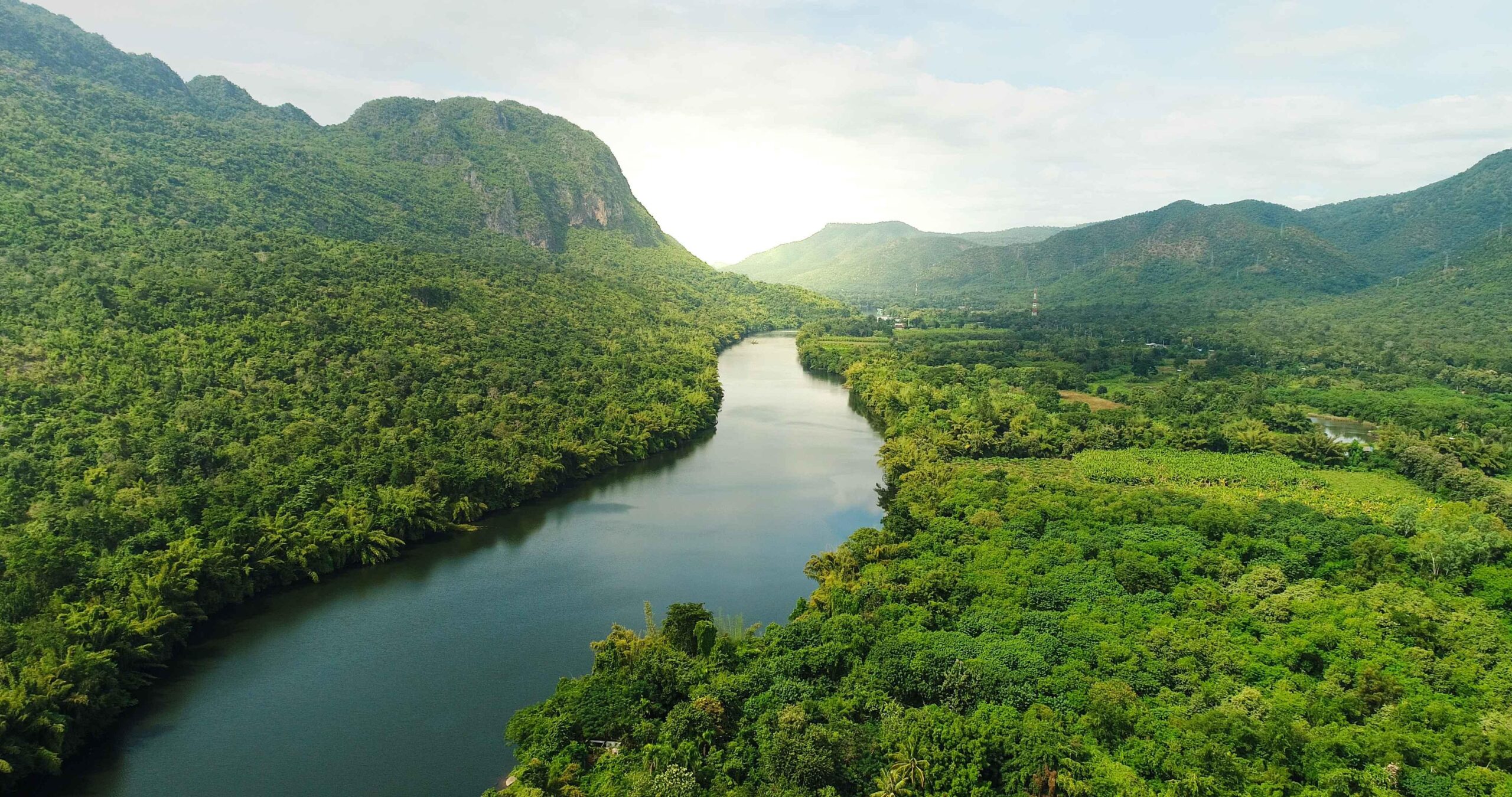
The environment is the foundation of all life on Earth. The air we breathe, the water we drink, the food we eat and the natural resources we depend on are all part of our environment. From forests and rivers to mountains, oceans and wildlife, every natural element contributes to maintaining the balance necessary for life.
However, increasing industrialisation, urbanisation, population growth, deforestation and pollution are placing enormous pressure on natural ecosystems. Environmental problems such as climate change, air pollution, water contamination, soil degradation and biodiversity loss are becoming major concerns across the world, including India.
Protecting the environment is no longer simply a matter of keeping our surroundings clean. It involves conserving natural resources, reducing pollution, protecting wildlife and adopting sustainable lifestyles that allow future generations to meet their needs.
Understanding the environment, the challenges it faces and the steps we can take to protect it is essential for building a healthier and more sustainable future.
The environment refers to everything surrounding living organisms that influences their existence and development. It includes both natural and human-made elements that interact with one another.
The environment can broadly be divided into two categories:
The natural environment consists of elements that occur naturally on Earth. These include:
These components are interconnected. For example, forests depend on soil, sunlight, air and water to grow. Animals depend on plants and other organisms for food, while humans rely on healthy ecosystems for essential resources.
The human-made environment includes structures and systems created by people to support everyday life.
Examples include:
Human-made development is important for economic and social progress. However, when development takes place without proper environmental planning, it can damage natural ecosystems.
The goal should be to create a balance between human development and environmental conservation.
A healthy environment supports human survival, economic development and ecological stability. Its importance extends far beyond the availability of natural resources.
The environment provides the basic conditions necessary for the survival of humans, animals and plants. Oxygen, water, food, sunlight and suitable climatic conditions are essential for life.
Without functioning ecosystems, the natural processes that support living organisms would be disrupted.
Humans depend on the environment for numerous resources, including:
These resources support households, industries, agriculture and national economies.
However, natural resources are not unlimited. Their responsible use is necessary to prevent depletion and environmental damage.
An ecosystem consists of living organisms interacting with one another and their surroundings.
Forests absorb carbon dioxide, wetlands help regulate water systems, insects support pollination and microorganisms contribute to nutrient recycling.
Each organism has a role in maintaining ecological balance. The disappearance of one species can affect several other species within the same ecosystem.
Natural systems help regulate the Earth’s climate.
Forests, oceans and healthy soils store carbon and influence the movement of water and energy through the environment.
When forests are destroyed or greenhouse gas emissions increase, these natural processes can be disrupted, contributing to climate change.
Clean air, safe drinking water, nutritious food and hygienic surroundings are essential for good health.
Environmental pollution can increase exposure to harmful substances and contribute to respiratory problems, waterborne diseases and other health risks.
A cleaner environment therefore supports healthier communities and better living conditions.
Agriculture, tourism, fisheries, forestry and several industries depend directly or indirectly on natural resources.
Environmental conservation helps protect the resources and ecosystems on which these economic activities depend.
Sustainable development allows economic progress while reducing long-term environmental damage.
India has diverse geographical regions, ecosystems and natural resources. At the same time, rapid development, urban expansion and increasing consumption create significant environmental challenges.
Some of the major environmental problems include the following.
Air pollution occurs when harmful gases, particles and other pollutants enter the atmosphere at concentrations that can damage human health and the environment.
Common sources include:
Air pollution can affect respiratory and cardiovascular health. It can also reduce visibility, damage vegetation and contribute to environmental changes.
Possible solutions:
Reducing air pollution requires coordinated action from governments, industries and individuals.
Water pollution occurs when harmful substances contaminate rivers, lakes, oceans and groundwater.
Industrial discharge, untreated sewage, agricultural chemicals, plastic waste and improper disposal of household waste are important sources of water contamination.
Polluted water can harm aquatic organisms and make water unsafe for human consumption and other uses.
Possible solutions:
Clean water is essential for public health, agriculture and ecological stability.
Deforestation refers to the removal of forest cover, often to make land available for agriculture, infrastructure, mining or urban development.
Forests provide habitats for wildlife, absorb carbon dioxide, protect soil and help regulate the water cycle.
Their destruction can lead to habitat loss, soil erosion, reduced biodiversity and increased vulnerability to climate-related problems.
Possible solutions:
Planting trees is beneficial, but protecting established natural forests is equally important.
Climate change refers to long-term changes in temperature and weather patterns. Human activities, particularly the burning of fossil fuels and changes in land use, have increased greenhouse gas concentrations in the atmosphere.
Its effects include rising temperatures, changing rainfall patterns, heatwaves, melting glaciers and rising sea levels.
In India, climate-related risks can affect agriculture, water availability, public health, infrastructure and livelihoods.
Possible solutions:
Both climate change mitigation and adaptation are necessary. Mitigation reduces the causes of climate change, while adaptation helps communities manage its effects.
Plastic pollution has become a serious environmental concern because plastic products can persist in the environment for long periods.
Single-use packaging, plastic bags, disposable containers and improperly managed plastic waste can enter rivers, drains, agricultural land and oceans.
Plastic waste can injure wildlife, obstruct drainage systems and break down into smaller particles known as microplastics.
Possible solutions:
Recycling is useful, but reducing unnecessary plastic consumption should come first.
Soil degradation occurs when the quality and productivity of soil decline.
Major causes include excessive chemical use, deforestation, erosion, overgrazing, improper irrigation and unsustainable agricultural practices.
Healthy soil is essential for food production, biodiversity and water regulation.
Possible solutions:
Protecting soil is essential for long-term agricultural productivity and food security.
Biodiversity refers to the variety of living organisms, including plants, animals, microorganisms and the ecosystems in which they exist.
India is home to a wide range of habitats, from the Himalayas and Western Ghats to forests, grasslands, wetlands and coastal ecosystems.
However, habitat destruction, pollution, climate change, overexploitation of natural resources and invasive species threaten biodiversity.
Possible solutions:
Protecting biodiversity is important because ecosystems depend on the interactions between different species.
Environmental protection means preventing environmental damage, conserving natural resources and maintaining healthy ecosystems.
It is necessary for several important reasons.
Protecting human health: Cleaner air and water reduce exposure to environmental hazards.
Preserving natural resources: Responsible resource management helps ensure that essential resources remain available.
Protecting wildlife: Conservation helps prevent habitat destruction and the decline of vulnerable species.
Reducing climate risks: Protecting forests, reducing emissions and improving resilience can help address climate-related challenges.
Supporting future generations: Environmental protection ensures that future generations inherit natural resources and functioning ecosystems.
Environmental conservation is not an obstacle to development. Instead, it helps make development more sustainable and resilient.
Environmental protection requires action at individual, community, business and government levels. Small actions become more meaningful when they are supported by effective systems and policies.
The 3Rs provide a practical approach to waste management.
Reducing waste at its source is generally more effective than depending entirely on recycling.
Water conservation is essential for households, agriculture and industries.
Practical measures include repairing leaking taps, using water-efficient appliances, harvesting rainwater and avoiding unnecessary water wastage.
Communities can also help restore local ponds, lakes and traditional water bodies.
Energy conservation reduces unnecessary resource consumption and can help lower emissions.
People can:
Trees provide shade, support biodiversity, protect soil and contribute to carbon storage.
Planting native species suitable for local conditions can improve the environmental value of green spaces.
However, tree planting should not be treated as a substitute for protecting existing forests and natural ecosystems.
Transportation choices influence fuel consumption and air pollution.
Walking, cycling, public transportation, carpooling and cleaner vehicles can help reduce environmental impacts.
For short journeys, walking or cycling may also provide personal health benefits.
Waste should be separated according to its type.
A practical household approach includes separating:
Organic waste can often be composted, while electronic waste should be sent to authorised collection or recycling channels.
Agriculture depends on healthy soil, adequate water and stable ecosystems.
Practices such as crop rotation, efficient irrigation, integrated pest management and soil conservation can improve agricultural sustainability.
Farmers should select practices according to local soil conditions, water availability and crop requirements.
Environmental education helps people understand how everyday activities affect nature.
Schools, colleges, community groups and local organisations can organise awareness programmes, nature walks, waste-management activities and conservation projects.
Environmental awareness should lead to practical action rather than remain limited to slogans.
Environmental protection requires strong institutions, effective regulations and public participation.
India has established several laws and regulatory frameworks to address environmental challenges.
Important legislation includes:
The Ministry of Environment, Forest and Climate Change plays an important role in national environmental policy and programmes. The Central Pollution Control Board and State Pollution Control Boards also contribute to pollution monitoring and regulation.
However, legislation alone cannot solve environmental problems. Effective enforcement, scientific monitoring, public awareness and cooperation between different levels of government are equally important.
Sustainable development means meeting present needs without compromising the ability of future generations to meet their own needs.
It recognises that economic progress, social well-being and environmental protection must work together.
For India, sustainable development involves several important priorities:
Renewable energy: Solar, wind and other renewable energy sources can diversify the energy supply and reduce dependence on fossil fuels.
Sustainable cities: Better public transportation, efficient buildings, green spaces and responsible waste management can improve urban living conditions.
Water security: Rainwater harvesting, wastewater treatment and efficient irrigation can help manage water resources.
Responsible consumption: Reducing waste, improving product durability and encouraging resource-efficient production can lower environmental pressure.
Ecosystem restoration: Protecting forests, wetlands, rivers and grasslands supports biodiversity and strengthens natural systems.
The future of environmental protection will depend on how effectively societies integrate sustainability into everyday decisions, business practices and public policy.
The environment is the foundation of human life, economic activity and ecological balance. Clean air, safe water, fertile soil, forests and biodiversity are not optional luxuries; they are essential for a healthy and secure future.
India faces several environmental challenges, including air and water pollution, deforestation, plastic waste, climate change and biodiversity loss. Addressing these problems requires long-term planning, effective environmental laws, responsible industries and active community participation.
Individuals can contribute by conserving water and electricity, reducing waste, choosing sustainable transportation and protecting local natural resources. Governments and businesses must also take responsibility for sustainable development and pollution control.
Ultimately, environmental protection is a shared responsibility. The choices made today will influence the quality of life and natural resources available to future generations. A cleaner, greener and healthier environment begins with informed decisions and consistent action.